The Day Legacy Models Leave the Subscription Door──In Codex, "Which Login" Decides Which Models You Get
On August 31, OpenAI is ending availability of GPT-5.4 and 5.4 mini in Codex. But it only affects ChatGPT-login users—with API key authentication or via the API, they remain. The replacements are gpt-5.6-terra and gpt-5.6-luna. Here's a rundown of the settings to review and the three paths you can t

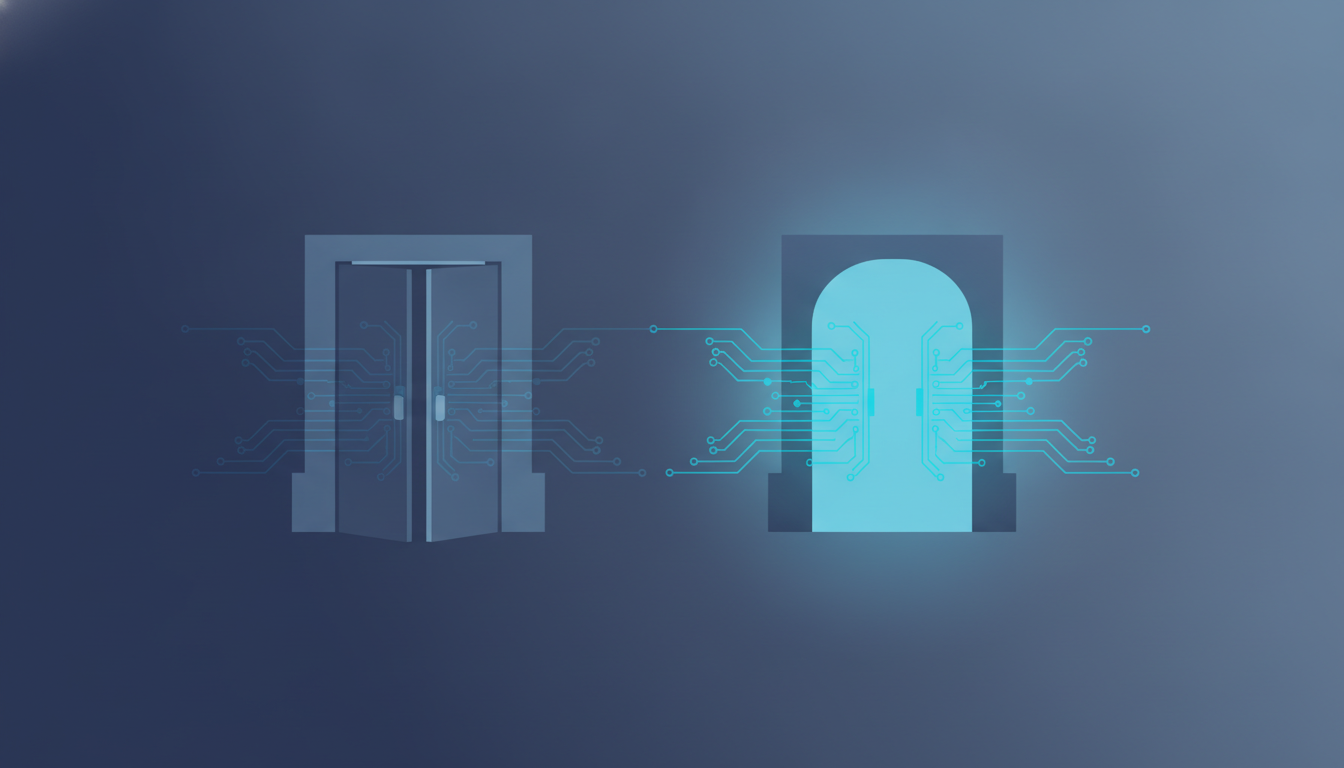
On August 31, OpenAI is removing GPT-5.4 and GPT-5.4 mini from its coding agent, Codex. But this only affects "people signed in with a ChatGPT account"; within that same Codex, sessions authenticated with an API key, or usage through the OpenAI API, remain unchanged. In other words, even if you're using the same product, which door you came in through determines whether the models on hand change starting today.
First, get clear on "what disappears today"
This isn't about burning through credits or hitting rate limits—it's a change where two entries vanish from the list of models you can select at all. OpenAI's official developer account has also announced: "Starting August 31, users signed in with ChatGPT will no longer be able to use GPT-5.4 and GPT-5.4 mini. Both models remain available through the OpenAI API and in Codex sessions authenticated with an API key."
What matters is "the type of authentication"
Who gets affected isn't decided by your contract plan or your pricing, but by how you log in to Codex.
| How you enter Codex | GPT-5.4 / 5.4 mini after 8/31 |
|---|---|
| Signed in with a ChatGPT account | No longer available |
| Codex session authenticated with an API key | Still available |
| Using the OpenAI API directly | Still available |
It's an asymmetric line: the more you've casually relied on a subscription (ChatGPT login), the more you're affected, while those who already have an API key and a usage-based billing foundation can walk right past it.
The replacements are officially set
OpenAI has named the migration targets by name. If you're unsure, mapping to these is all you need.
| Previously | Recommended replacement |
|---|---|
| gpt-5.4 | gpt-5.6-terra |
| gpt-5.4-mini | gpt-5.6-luna |
The replacements are from the latest GPT-5.6 line. Per OpenAI's description, Terra is a lower-cost-leaning model with performance on par with GPT-5.5, while Luna is positioned as the fastest and cheapest model. It carries the old 5.4 / 5.4 mini division of roles—"standard" and "lightweight"—straight into the new generation.
Settings to review before the deadline
The tricky part is that the model ID is quietly embedded in various places across a project. Manual chats are fine—you just switch—but automated setups running unattended could silently break starting today if a reference lingers. It's safest to take inventory of the following places.
- Workspace default model
- Saved model settings
- Managed configuration distributed across your organization
- Custom agents you've built yourself
- Scheduled tasks
There are three paths you can take
The options for responding boil down to these three.
- Switch to the new models: Stay on ChatGPT login and move to Terra / Luna. The default course for most people.
- Move to the API: If you absolutely must keep using 5.4, you'll need to issue an API key and set up billing on the platform side. You lose the convenience, but you keep the models.
- Do nothing: This only holds up if you can confirm that your production setup doesn't reference the 5.4 / 5.4 mini model IDs. If even one reference remains, there's a risk it breaks.
"How you choose your door" shapes your assets
This line isn't just a story about a technical generational handoff of models. Even with the same tool, whether you use it with subscription authentication or API authentication changes how long you get to hold on to which models—and that fact shapes how long your automation lives. The observation that, in exchange for convenience, the decision to end availability is held by the platform side applies here too. Concerns have also surfaced that the burden of chasing settings every time models are frequently swapped tends to grow heavier the more unattended operations you add. Today is a good occasion to inspect, once, exactly "which door's, which model ID" your own setup depends on.
References: OpenAI Developers (official announcement) / ChatGPT & Codex changelog / GPT-5.6 (OpenAI) / istarsoft: GPT-5.4 Leaves ChatGPT-Signed Codex on August 31