The Plan Arrives Before the Wait──Cursor Adds Three Reins to Its Slack-Resident Agent: Planning, Multi-Repo, and Cross-Channel
On July 17, Cursor updated its Slack integration. It now returns a plan before starting a request, works across environments spanning multiple repositories, and can read and write across other channels and threads. Here we lay out these usability refinements for the chat-resident development agent,

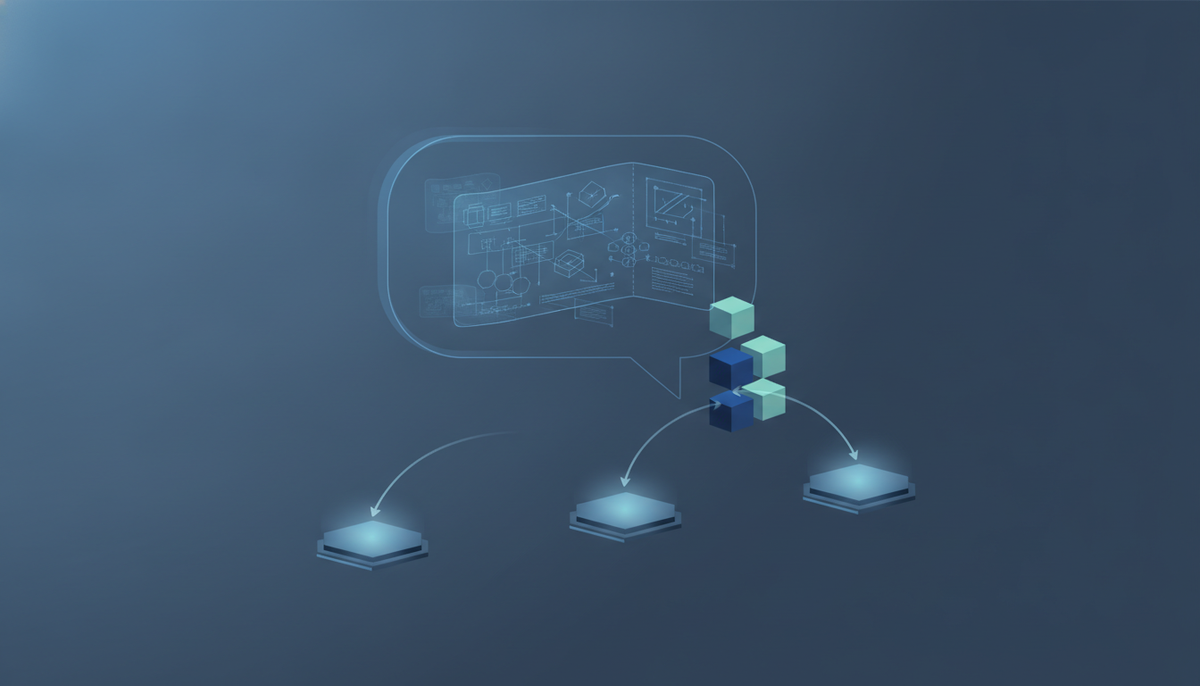
The shift to move coding agents from "something you run inside a dedicated app or IDE" to "something that lives in the chat where your team already hangs out" keeps gaining ground. On July 17, Cursor updated its Slack integration, "Cursor in Slack," adding three things: behavior that returns a work plan before starting on a request, an environment that spans multiple repositories, and the ability to read and write across other channels and threads. None of these is a flashy new model; they're refinements that tighten how you actually hand off work over chat.
Show the plan before starting, and steer mid-course
The old flow of "ask → wait a while → look at what comes out and fix it" tended to produce large amounts of rework whenever the direction was off. With this update, Cursor first presents a plan before it dives into implementation. Cursor's own description says it "returns a plan before starting, so you can interrupt and correct course early," and it updates the status of each step as work proceeds. The UI has also been cleaned up: tables, pull requests, and links to generated artifacts are now consolidated into a compact footer link rather than buttons inside the message.
The key is that the timing of review moves forward from "after completion" to "before starting." The earlier a person can insert their judgment, the less code gets generated needlessly.
The three improvements added
| Improvement | What it enables |
|---|---|
| Pre-start plan | Presents a plan before implementation. You can interrupt partway through to correct the direction, and the status of each step is updated. |
| Multi-repository environment | Launches in a named "multi-repo environment" rather than a single default repository. If a repo outside the environment is needed mid-task, a "Switch repository" button appears, and re-selecting resumes from where it left off. |
| Cross-channel | Cursor can read and write across other Slack channels and threads. It gathers context from elsewhere and, as needed, writes progress back to the original thread or related channels. |
Effective where the front end and back end live in separate repos
Of the three, the one most directly relevant to real work is the multi-repository environment. It's not unusual for the front end, back end, and shared code to each live in separate repositories. Cursor reads the request and picks an environment that can access all of them to do its work. When a single feature addition spans repos, there's potential to fold what previously required people to switch environments or split the work into multiple requests into a single exchange in chat.
On the business side, it's significant that the entry point for development shifts from "open the IDE" toward "talk to it in Slack." It becomes easier for non-engineers to write requests into a thread, and the presented plan makes "what it's about to do" visible right in the chat. The starting point of work moves from a dedicated tool to the place where the team converses.
The flip side of a wider read-write scope
At the same time, an agent that can read and write across multiple channels and threads also means the range of information it can access and speak into is that much wider. It's commonly pointed out that leaving an autonomous counterpart resident without clarifying "which channels it may see and where it may post" can lead to unintended information access or mistaken posts. When rolling it out, the safe approach is to narrow the target channels and permissions to the minimum, combined with an operating model where a person reviews at the pre-start plan stage. Convenience and where you draw the line on what you delegate are a single topic to consider together.
The shape of a coding agent that lives in chat is an area every vendor, not just Cursor, is racing to refine. This update is less a new feature than a tightening of existing usability, and it serves as a gauge for how close "development you hand off over chat" is getting to a practical standard.
References: Improvements to Cursor in Slack (Cursor Changelog) / Cursor Changelog / Slack | Cursor Docs / Cursor Release Notes (Releasebot)