Making "Don't Call a Human Every Loop" the Default — Cursor's Cloud Agents Go All-In on "Stay Resident and Run Autonomously" with /goal and Dedicated Machines
Cursor overhauls its cloud agents. It adds always-on residency triggered by events, /goal for long-horizon objectives, subagents that run on dedicated machines, and PR/Slack subscriptions — pushing toward autonomy that "doesn't call a human on every loop." We lay out both the convenience and the con

Wakes on an Event, Keeps Running Until It Reaches the Goal
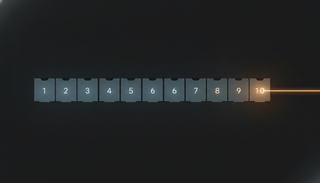
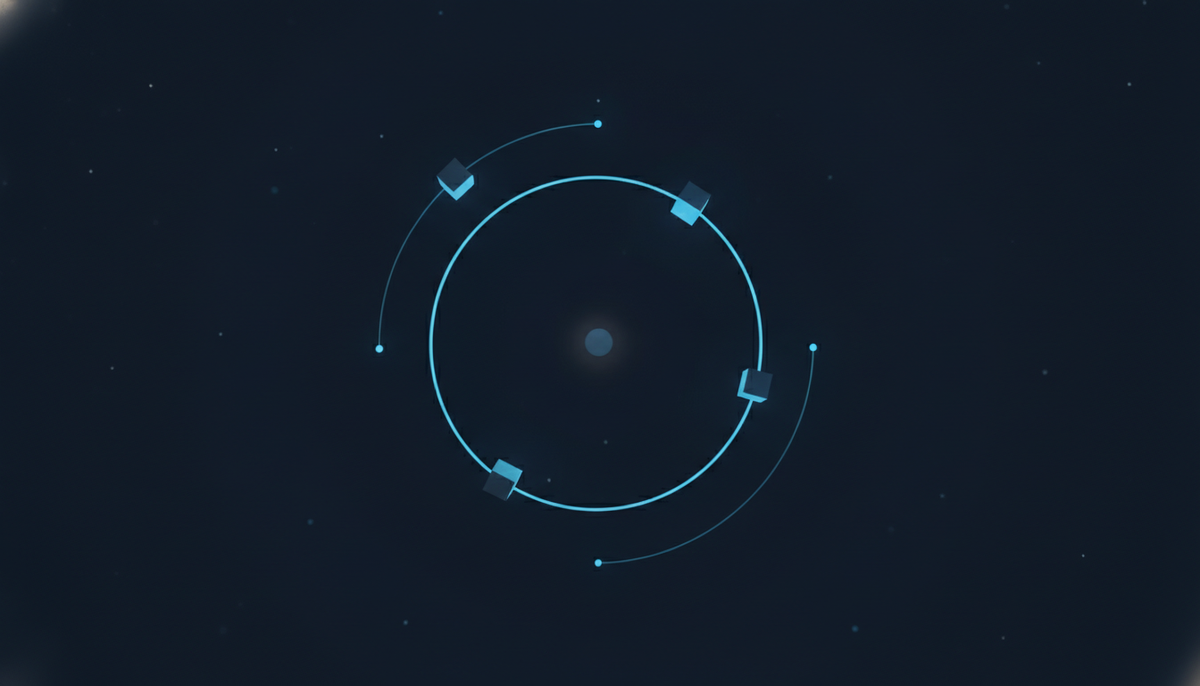
On August 19, 2026, Cursor shipped a major overhaul of its cloud agents, an update titled "Cloud Agents and Cursor Harness Improvements." The aim is clear: in the company's own words, to "build and ship software without a human intervening on every loop." Instead of the old cycle of "ask, wait, ask again," the agent wakes itself on an event cue and keeps running until it reaches the goal it was given — the update pushes that way of working toward being the default.
Behind this is an industry-wide shift: agents have become capable of running long tasks that take anywhere from minutes to hours. This update can be read as a wholesale rework — of what triggers a launch, how work is continued, and how concurrency is handled — to fit that "long-running" premise.
The Reins That Came Together This Time
The changes are wide-ranging, but here are the six points that matter most for how you run development.
Always-On
Cloud agents now stay awake at all times, ready to pick up work in response to events. Rather than spinning one up each time, the design has it start moving the moment it's needed.
Subscriptions
By "subscribing" to a PR (pull request), a Slack thread, or a scheduled task, you have the agent wake automatically whenever there's activity there. PRs you create are subscribed automatically, and the agent sees things through to completion — including fixing CI and responding to bot comments.
/goal (Long-Term Goals)
The new /goal command lets you hand over a single, longer-horizon objective such as "fix all the flaky tests and get CI green." The agent holds onto that goal and keeps working until it's achieved.
Subagents That Run on Dedicated Machines
Subagents can now each run on their own independent virtual machine. Because each one holds a clean clone of the project and a fresh context, you can test a parent's changes in a separate environment, or clear independent fixes in parallel without conflicts.
Custom Modes (Resident Skills)
You can pin any skill to a chat as a "Custom Mode" and keep the agent focused on that skill. It's essentially an "always-on" skill.
Improved Steering
You can send instructions from the side even while work is in progress. Additional instructions don't cut the agent off mid-task; they're applied at the boundary before the next tool call — tuned to "steer without interrupting the work."
How Development Changes
Until now, cloud agents relied on a human to stitch together "one request → one response." This update lets you move much of that stitching work onto the agent's side. Open a PR and the agent stays on it to get CI green; toss something into Slack and it comes to pick it up; you can even leave it running as a nightly scheduled task. The human's role shifts from "approving each step" toward "handing over a goal and steering at key moments."
The design of parallel work changes too. Because subagents run independently on dedicated machines, you can straightforwardly run multiple fixes at once to avoid conflicts, or have a parent's changes validated in an isolated environment. Splitting one big goal into several small self-running units and clearing them out — that way of working becomes realistic.
Business Impact
The payoff is reducing "time a human has to stay glued to the work." If you can hand off waiting for CI fixes, review round-trips, and routine follow-up work to agent subscriptions and /goal, developers can focus on the parts that require judgment. Driving always-awake agents with events can also be a way for small teams to effectively extend their working hours.
On the other hand, a model that keeps standing by in a resident state can make costs like token spend and runtime harder to predict, depending on how it's used. When adopting it, it's safer to narrow the scope of what you subscribe to and what you put under /goal, and to decide up front where to draw the line on how far you let it run on its own.
The Flip Side of "No Human Needed on Every Loop"
Behind the convenience, there are points worth keeping in mind. The biggest change is the move to drop "a human check on every loop" from the default, and that means a lower density of oversight. The more the agent drives its own PR to completion and automatically responds to CI and bot comments, the more often changes advance to the brink of merging without passing under human eyes.
For coding agents in general, there have also been reports of hand-off gaps where another tool trusts and executes generated output, as well as risks around sandboxing. Isolation on dedicated machines is a design on the safe side, but the wider the range in which agents stay awake and run autonomously on external events, the more important safeguards become — minimizing privileges, human gates before merge, and auditing execution logs. The convenience of autonomy versus where to keep human checkpoints — that design has to be worked out team by team.
References: Cursor Changelog: Cloud Agents and Cursor Harness Improvements (2026-08-19) / Cursor Docs: Cloud Agents / Cursor Docs: Automations / Releasebot: Cursor Updates