Slip a Word to a Running Agent After the Fact — Codex 0.149 Corrals Tasks in a 'Ledger' and Stops Permissions From Reverting on Resume
OpenAI's Codex CLI ships v0.149.0, adding a codex agents dashboard that corrals running tasks and a codex queue command that sends instructions to sessions already in progress. A fix that restores the permission profile when a session is resumed or forked also lands, tightening the handling of agent


OpenAI's coding agent "Codex CLI" shipped v0.149.0 on August 20. This time the focus is less on adding a single new feature and more on how to corral the many agents running in parallel and how to hand off the reins. You can watch running tasks in a single list, slip in instructions after the fact, and keep permissions from drifting when a session resumes — it's an update that firms up these "operational manners."
Watching Tasks From a Single Ledger
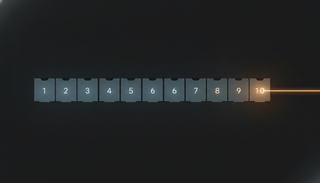
The centerpiece is the codex agents dashboard, placed outside the conversation view. You can search running and stopped tasks and start, open, name, and stop them all from one screen. You navigate and control it with keyboard shortcuts, cutting down the effort of "finding and opening" as your sessions pile up.
Alongside it, a way to deliver words to a running session after the fact arrived too. codex queue is a command that pushes a message into an already-running session, whether local or remote. Without staying glued to the agent and waiting, you can stack up instructions as they occur to you, and a resting session will pick them up and start moving.
The Main Changes in 0.149
This update mixes small quality-of-life improvements with fixes that patch up the seams of unattended operation. Here are the highlights.
New Features
- codex agents dashboard: Search, start, open, rename, and stop tasks from a single screen.
- codex queue: Send messages to running local/remote sessions.
- Working-directory operations: Adds
/cd,/pwd, and/cwdto the TUI session. - Beefed-up Vim editing: Supports character substitution and change motions such as
cw,c$, andcc. - Expanded codex doctor diagnostics: Checks endpoint protection, network/proxy failures, desktop app status, and update connectivity.
- SDK: Strictly overrides CLI settings and lets you choose reasoning strength (max / ultra).
Key Fixes
- Queued messages now wake dormant sessions without dropping them.
- Resumed and forked threads now restore their permission profile instead of reverting it to the default.
- Fixes duplicate display of sub-agents and hardens the TUI paths.
- WebRTC reconnection now recovers without losing output.
- TUI history is now preserved in Windows Terminal's scrollback.
- Caps the replay buffer for inactive threads to curb memory hoarding.
From "One Conversation" to "Multiple Posts"
Over the past few weeks, the coding-agent vendors have all been facing the same direction. Cursor has given its resident agents goal-holding and self-driving, and Claude Code has built a mechanism to call a separate running session by name. Codex 0.149's ledger and queue are extensions of that same trend. The premise is to treat an agent not as "one open chat" but as a worker holding down multiple posts at once.
In practice, this changes how you design wait time. You hand a long-running job to an agent, move on to another task while you wait for its reply, and when something occurs to you, stack an extra instruction with codex queue. It shifts you toward an operating style that reduces the time a person stays glued to the screen and runs multiple jobs side by side.
Unglamorous but Effective: The "Permissions on Resume" Fix
More than any feature addition, what really moves the needle for operations this time is the fix that lets resumed and forked threads restore their permission profile. Until now, the permissions you had set could revert to the default when you resumed a session. The longer you run it unattended, the more room there is for "the scope you thought you'd allowed" and "the scope actually in effect" to drift apart. This fix closes that gap.
Turned around, it's also an admission that the problem of state drifting on every resume is real. The more you keep an agent resident — stopping and resuming it, forking and multiplying it — the greater the risk of losing track of "which permissions and which directory it's running under right now." The expanded codex doctor diagnostics and the new /cd and /pwd commands that make the working directory explicit can be read as remedies for that same "losing sight of where you are."
If You're Adopting It, First Check the "Watchtower"
What you want to verify first in real operation isn't the flashy self-driving features but the side that lets you stop things and know their state. Concretely: whether codex agents can reliably stop a task, whether codex doctor can pinpoint network and proxy trouble, and whether the permission profile comes back as intended on resume. The convenience of running in parallel is something you can lean into with confidence only once these "brakes and gauges" are working.
At the same time, it's worth not forgetting the concerns that get raised on the flip side of that convenience. The more agents you run simultaneously, the thinner your human oversight spreads, and the easier it is for token consumption and unexpected changes to pile up. As this permission-restore fix shows, the point that the more you "run it unattended," the more state management on resume governs quality is worth keeping in the back of your mind when you adopt it. This isn't fearmongering — it's a matter of practical sequencing: decide the design of your watchtower first.
References: openai/codex Release rust-v0.149.0 / openai/codex Releases / Releasebot: Codex Updates by OpenAI